
Toolbox talk · Electrical · about 5 minutes
RCDs: test before you use
Download the PDF with attendance sheet
Why it matters
An RCD can save your life by cutting the power in a fraction of a second if current leaks to earth. But an RCD that has failed gives no warning. Testing it before use is the only way to know it will work when you need it.
The hazards
- Electric shock from damaged leads, tools or plugs
- An RCD that has failed and won't trip
- RCDs bypassed, or tools plugged in upstream of the RCD
- Water getting into sockets and connectors
Stay safe
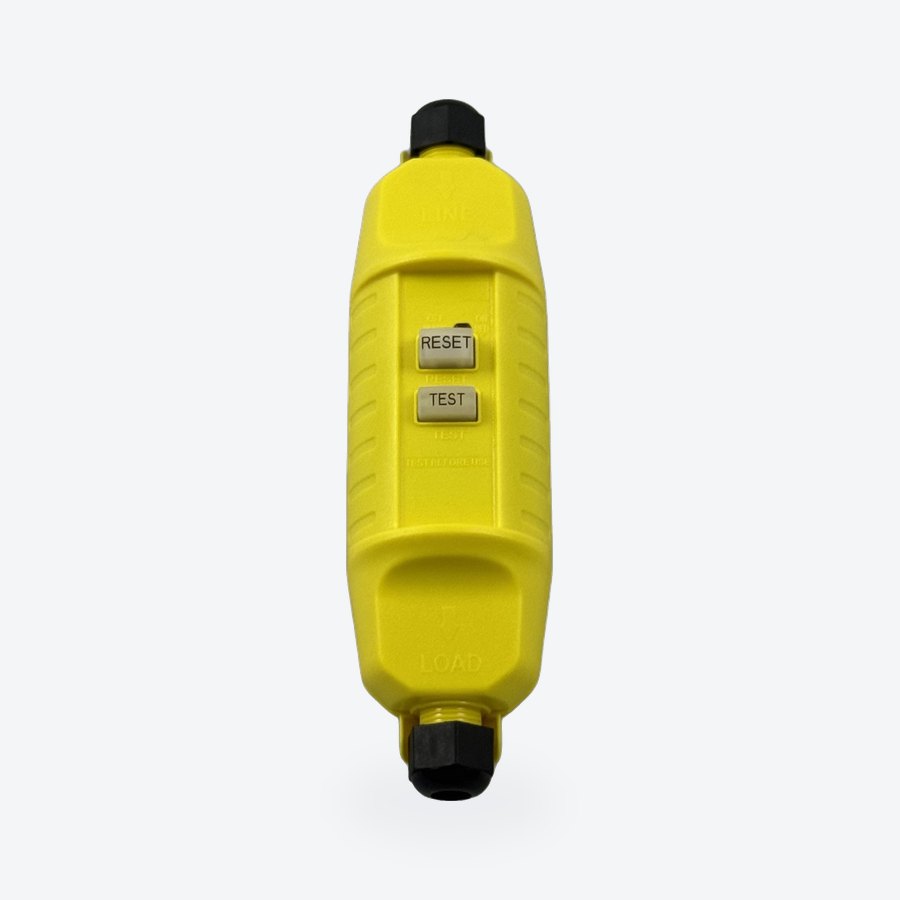
- Press the RCD test button before use each day and check it trips
- If it doesn't trip, don't use it: label it and report it straight away
- Never bypass or override an RCD, or tape it in the on position
- Check leads, plugs and tools for damage before plugging in
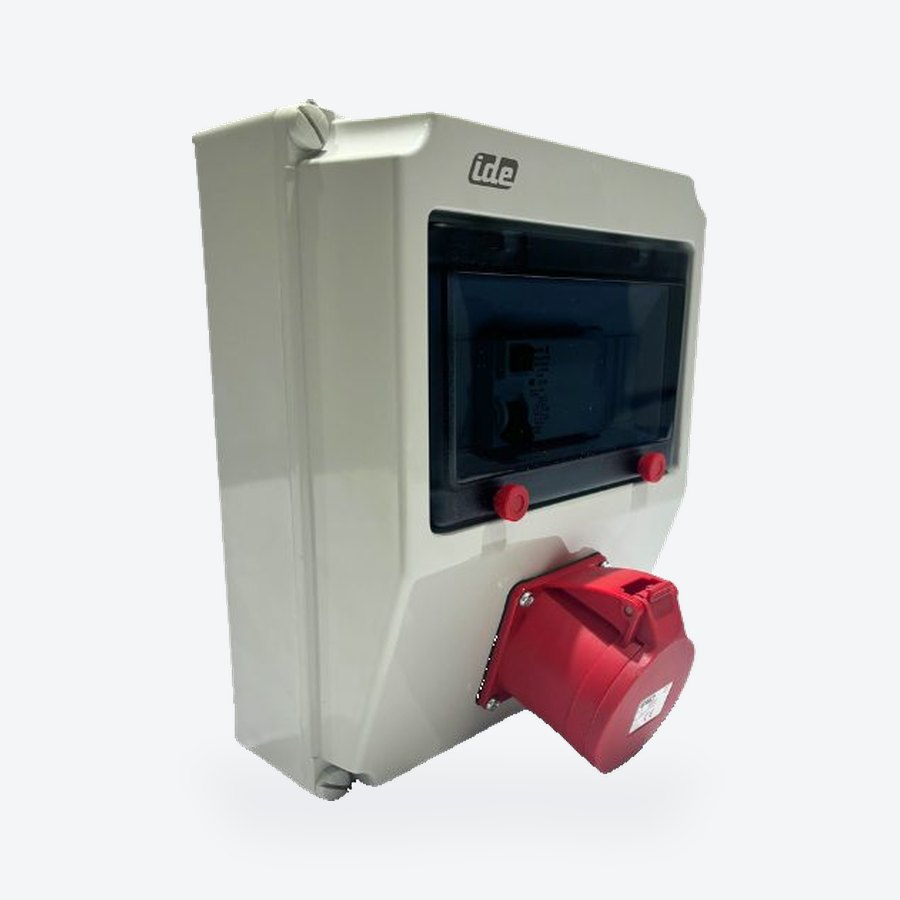
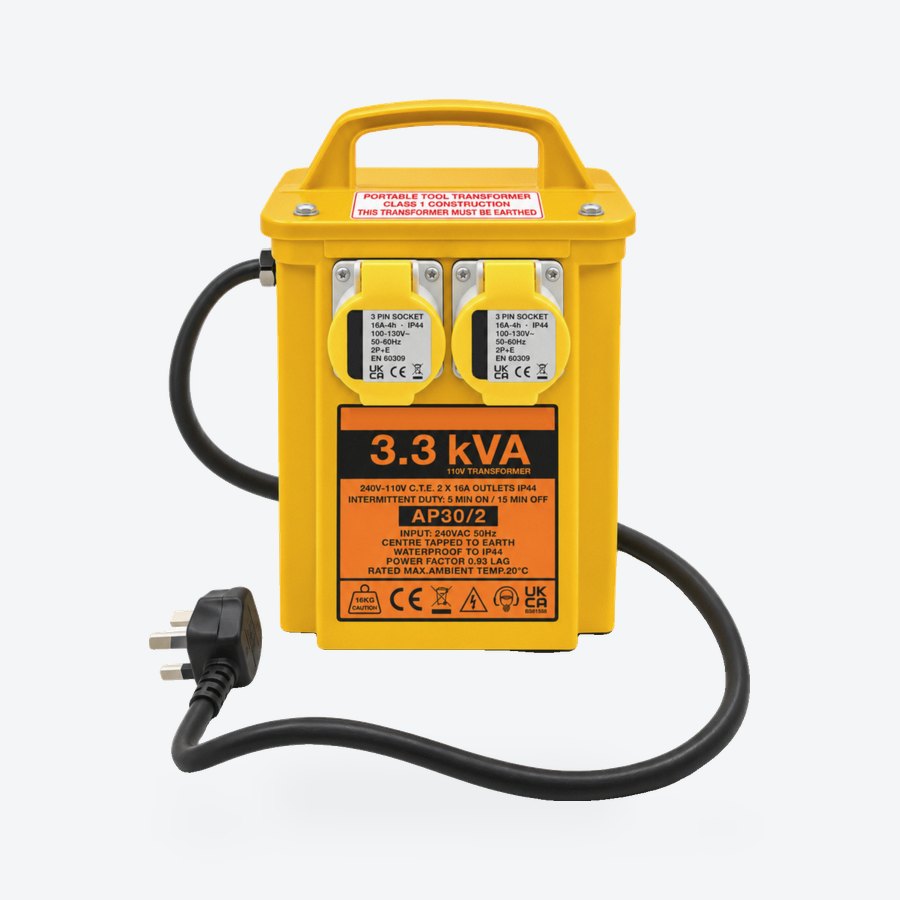
- Use 110V CTE on site wherever you can; use RCD protection where 230V has to be used
- Keep connectors off the ground and out of water
- If an RCD keeps tripping, find out why. Don't just reset it
Ask the team
- Where are the RCDs protecting the supplies you use today?
- What do you do if the test button doesn't trip the RCD?
- Why might an RCD keep tripping?
The law and guidance
Electricity at Work Regulations 1989. BS 7671 Section 704 (construction and demolition sites). HSE HSG141, Electrical safety on construction sites.
General guidance to help you give a toolbox talk. It doesn't replace your site's risk assessments, method statements, permits or training. Check it against your own site rules before you give it.