
Colour temperature explained: what do 4000K, 6500K and 840 mean?
Colour temperature, measured in kelvin (K), describes how warm or cool white light looks: around 2700K to 3000K is warm white, 4000K is cool or neutral white, and 5000K to 6500K is daylight white. A three-digit code such as 840 combines colour rendering and colour temperature: the first digit 8 means a colour rendering index (Ra) in the 80s, and 40 means 4000K.
Colour temperature chart
| Colour temperature | Looks like | Typical use |
|---|---|---|
| 2700K to 3000K | Warm white, yellowish | Homes, hospitality |
| 3500K to 4000K | Neutral to cool white | Offices, shops, schools |
| 5000K to 6500K | Daylight white, bluish | Construction sites, warehouses, car parks, floodlighting |
What 830, 840 and 865 mean
The code is two parts. The first digit is the colour rendering band: 8 means Ra 80 to 89, 9 means Ra 90 or more. The last two digits are the colour temperature in hundreds of kelvin.
- 830: Ra 80+, 3000K warm white.
- 840: Ra 80+, 4000K cool white.
- 865: Ra 80+, 6500K daylight.
Colour rendering (Ra or CRI)
Colour rendering, Ra or CRI, shows how true colours look under the light, on a scale up to 100. Ra 80 or more is common for work areas.
What our Site Lighting uses
| Product | Colour temperature |
|---|---|
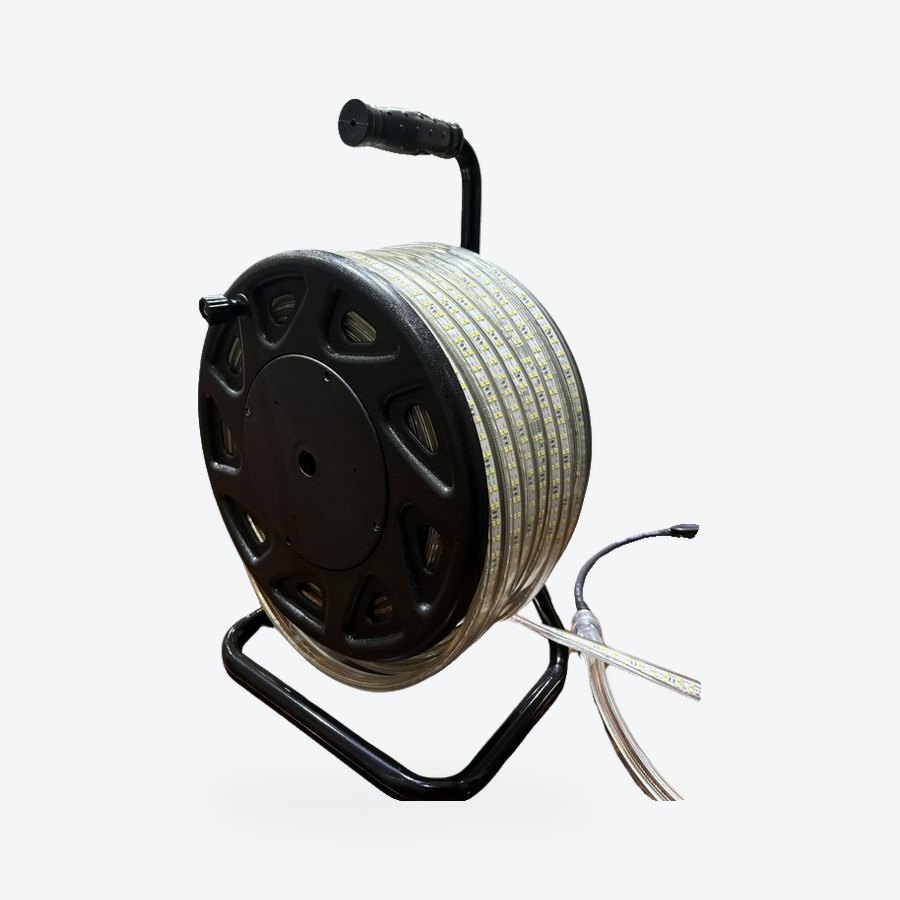
| 110V LED Rope Light (Strip Light), 137890 and 138162 | 6000K white, Ra above 80 |
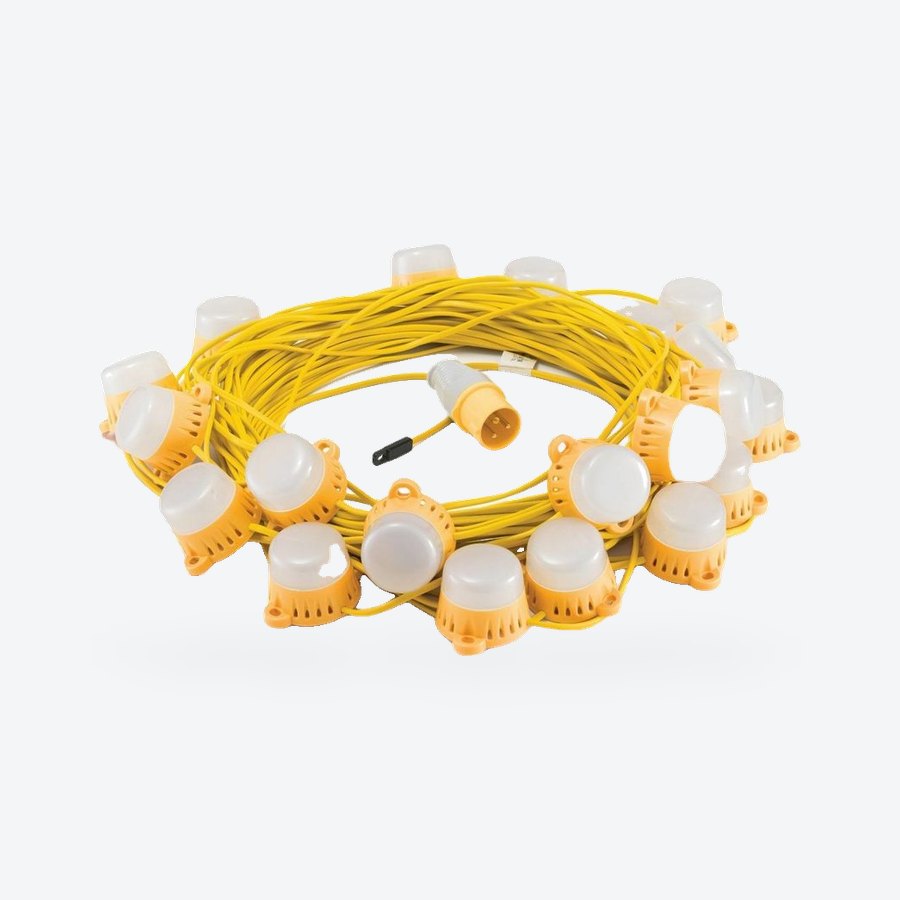
| LED Festoon, 128266 | 6400K |
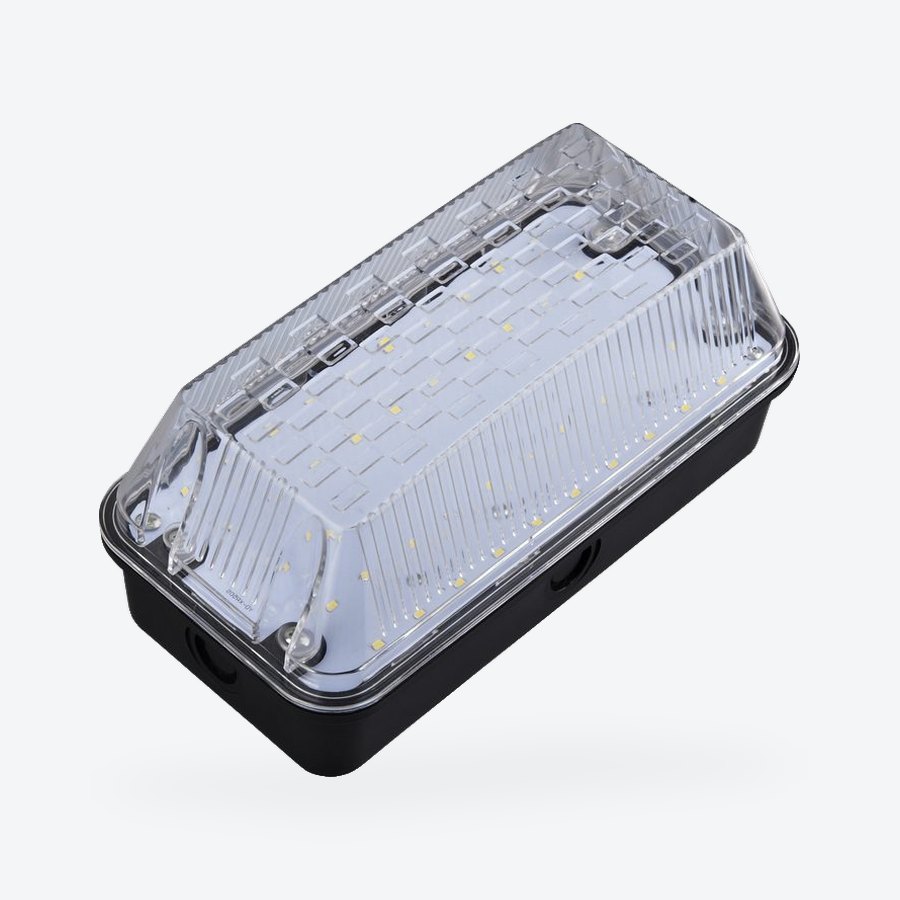
| LED Bulkheads, 137626 and 138103 | 6500K |
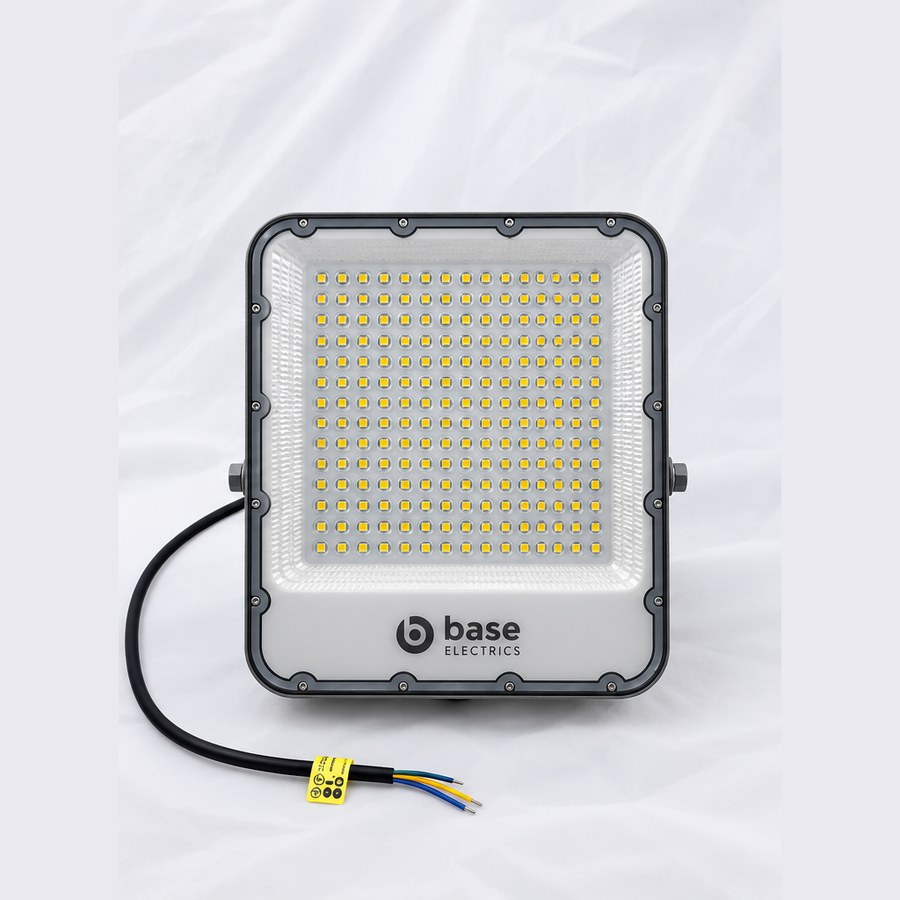
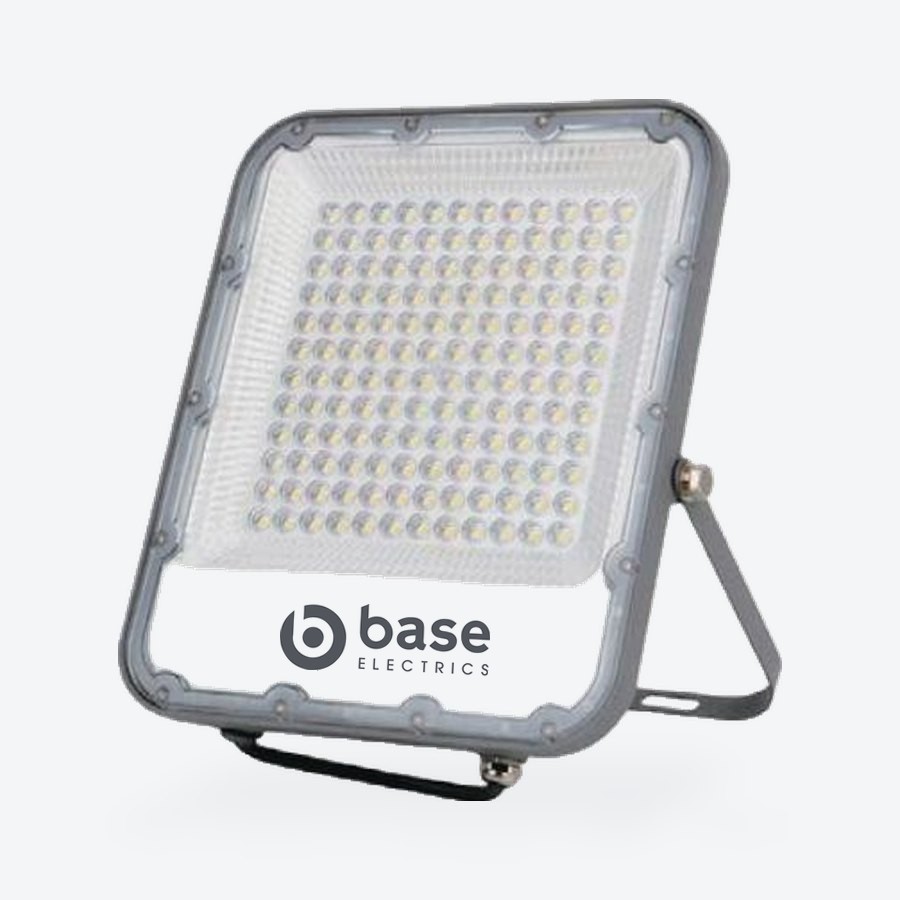
| 100W LED Floodlight, 127662 | 6500K |
| Other LED Floodlights | 5500K daylight, Ra above 80 |
Most temporary Site Lighting, including ours, is daylight white, 5500K to 6500K.